Trees and Bushes: Premium Design Assets
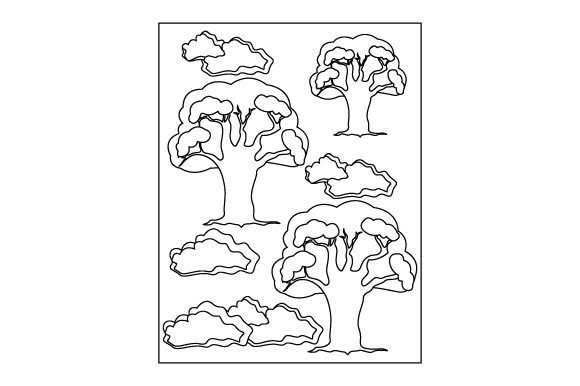
In the competitive landscape of modern visual communication, the difference between a memorable brand and a forgettable one often comes down to the quality of its creative assets. When designers seek organic shapes that convey growth, stability, and nature, Trees and Bushes offer a versatile foundation for compelling storytelling. These elements are not merely decorative; they are powerful tools in your design workflow that can elevate everything from logo concepts to complex user interfaces. By integrating high-quality vector illustrations of foliage, you gain the flexibility to craft narratives that resonate with audiences on an emotional level while maintaining professional polish.
The Role of Organic Shapes in Brand Identity
Effective branding relies heavily on establishing a distinct visual language that communicates core values instantly. Nature-inspired motifs like trees and bushes are particularly effective for industries focused on sustainability, wellness, real estate, or community development. In logo design, these elements provide a natural anchor point, allowing typography to flow around organic curves rather than rigid geometric lines. This approach softens the overall aesthetic, making the brand feel more approachable and human-centric.
When developing a brand identity, consistency is key. Using scalable vector formats ensures that your chosen foliage remains crisp whether it appears on a tiny mobile icon or a massive billboard. The ability to manipulate color palettes within these assets allows them to adapt seamlessly to seasonal campaigns or rebranding efforts without losing their structural integrity. This adaptability is crucial for maintaining a cohesive look across all touchpoints, from digital marketing materials to physical packaging.
Practical Applications Across Media
The versatility of tree and bush illustrations extends far beyond simple logos. Here is how these assets can transform various creative projects:
- Web and UI Design: Incorporating subtle foliage patterns into backgrounds or section dividers can guide the user's eye and create a calming UX design experience, reducing cognitive load.
- Social Media Graphics: Unique, hand-drawn style trees help brands stand out in crowded feeds, offering a fresh alternative to stock photography.
- Editorial and Print Design: In magazines or brochures, these elements serve as excellent framing devices, adding depth and texture to layouts without overwhelming the text.
- Packaging Design: For eco-friendly products, realistic or stylized botanical illustrations reinforce the message of natural ingredients and environmental responsibility.
- Merchandise and Advertising: From t-shirts to business cards, these graphics add a layer of sophistication that elevates perceived value.
Optimizing Your Design Workflow with Vector Formats
One of the most significant advantages of sourcing professional Trees and Bushes assets is the availability of multiple file formats. Receiving designs in SVG, Transparent PNG, EPS, and DXF formats ensures compatibility with every stage of the production pipeline. For digital creators, SVG files provide infinite scalability, essential for responsive web design where images must render perfectly on any screen size. Meanwhile, EPS and DXF files are indispensable for print shops and manufacturers, ensuring that large-format printing or laser cutting retains precise details.
Choosing the right format also impacts your visual hierarchy. A transparent PNG allows for quick placement over complex backgrounds in social media posts, while an editable EPS file gives you the freedom to deconstruct layers and adjust individual leaves or branches to fit a specific composition. This level of control is vital for creating custom illustrations that feel unique to your project rather than generic clip art.
Tips for Selecting and Integrating Assets
To maximize the impact of these design elements, consider the following best practices:
- Match the Style to the Audience: Ensure the illustration style—whether minimalist line art or detailed realism—aligns with your target demographic's expectations.
- Maintain Color Consistency: Use the asset's color palette as a starting point but customize hues to match your existing brand guidelines strictly.
- Balance Composition: Avoid overcrowding your layout. Let the organic shapes breathe by utilizing negative space effectively.
- Test Scalability: Always preview the asset at both small and large sizes to ensure readability and detail retention.
Typography plays a critical role when paired with these graphical elements. Select fonts that complement the organic nature of the trees and bushes; rounded sans-serifs or elegant serifs often work better than harsh, blocky typefaces. The interplay between the fluidity of the foliage and the structure of the text creates a dynamic tension that captures attention and enhances readability.
Ultimately, the decision to use high-quality Trees and Bushes assets is an investment in the clarity and appeal of your visual communication. By leveraging these premium resources, designers can create work that is not only aesthetically pleasing but also functionally superior. Whether you are launching a new startup, refreshing an existing brand, or crafting a one-off campaign, thoughtful integration of nature-inspired graphics ensures your message lands with impact and authenticity. Embrace the power of organic design to build connections that last.