Green Metal Abstract Technology: A Visual Guide for Modern Design
In the rapidly evolving landscape of digital design and corporate branding, the intersection of nature and industry has become a powerful aesthetic statement. Green Metal Abstract Technology represents more than just a color palette; it is a sophisticated visual language that merges the organic vibrancy of green with the industrial precision of metallic textures. This unique combination creates imagery that feels both futuristic and grounded, offering a fresh perspective for professionals, creators, and business owners looking to communicate innovation without sacrificing approachability.
Whether you are designing a website background, creating marketing materials, or conceptualizing a brand identity, understanding the nuances of this style can significantly elevate your project's impact. Unlike traditional metallic designs that often lean heavily into cold silvers and stark grays, the introduction of green adds depth, warmth, and a sense of sustainability that resonates deeply with modern audiences.
The Fusion of Nature and Industry
At its core, Green Metal Abstract Technology is about balance. It takes the rigid, structured qualities associated with metal—such as chrome, silver steel, and aluminum—and infuses them with the fluid, living energy of green tones. This juxtaposition creates a dynamic tension that captures the viewer's attention immediately. The result is a visual experience that suggests technological advancement driven by ecological responsibility.
When we look at a polished, brushed texture in these hues, we are not just seeing a surface; we are seeing a narrative. The green elements might evoke thoughts of renewable energy, eco-friendly manufacturing, or biological interfaces within technology. Meanwhile, the metallic components ground the image in reality, suggesting durability, strength, and high-quality engineering. This duality makes the style particularly effective for industries that sit at the crossroads of tech and environment, such as clean energy firms, sustainable architecture, and green logistics.
Defining the Textural Elements
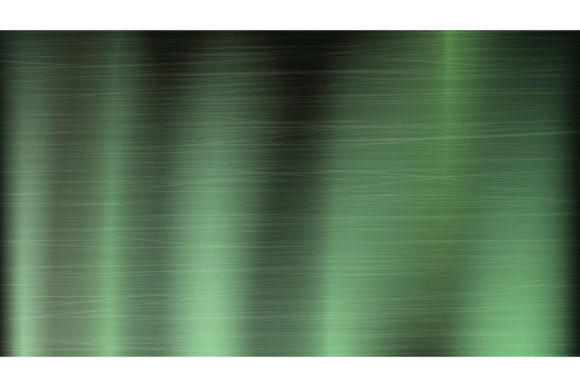
To truly appreciate the value of this aesthetic, one must understand the specific textural characteristics that define it. The most prominent feature is the polished, brushed texture. This finish mimics the way light interacts with real-world metals like stainless steel or aluminum. When applied to abstract technology backgrounds, these textures create a sense of movement and dimensionality that flat colors simply cannot achieve.
- Polished Surfaces: These areas reflect light sharply, creating highlights that draw the eye to focal points. In a Green Metal context, these reflections often carry a subtle tint of emerald or jade, enhancing the organic feel.
- Brushed Finishes: The linear grain of brushed metal adds a tactile quality to digital images. It suggests craftsmanship and precision, making the technology appear tangible and reliable.
- Metallic Gradients: The transition from deep forest greens to bright, silvery whites creates a gradient that feels natural yet manufactured. This is essential for creating depth in vector art and JPG formats.
These elements work together to form a cohesive visual identity. The use of chrome and silver steel accents provides the necessary contrast to ensure that the green does not overwhelm the composition. Instead, the metals act as a frame, highlighting the vibrant green cores of the design.
Practical Applications Across Industries
The versatility of Green Metal Abstract Technology allows it to serve a wide range of practical purposes. Its ability to convey complex ideas through simple visual cues makes it a favorite among designers working in diverse sectors. Here are some of the most impactful ways this style is being utilized today.
Corporate Branding and Identity
For business owners, establishing a strong brand identity is crucial. A logo or header featuring this abstract style can instantly communicate a company's values. For instance, a fintech startup focusing on sustainable investing might use a background of brushed aluminum with green circuit-like patterns. This visual metaphor tells potential clients that the company is technologically advanced (metal) but also committed to ethical growth (green).
Similarly, manufacturing companies transitioning to greener practices can leverage these visuals to signal their evolution. By replacing old, heavy industrial imagery with sleek, green-infused metallic designs, they can reposition themselves as forward-thinking leaders in their field.
Digital Interfaces and Web Design
In the realm of web design, user engagement often hinges on the first few seconds of interaction. A landing page utilizing a Metal Abstract Technology Background can set a tone of professionalism and innovation immediately. The high-contrast nature of chrome and green ensures that text remains readable while the background provides an immersive atmosphere.
Designers often use these assets in various formats, such as JPG for web optimization or EPS for scalable print applications. The vector nature of EPS files ensures that the intricate details of the brushed texture remain crisp regardless of the screen size or print resolution. This flexibility is vital for responsive design, where the same asset must look perfect on a smartphone, a tablet, and a large desktop monitor.
Presentation and Marketing Materials
Professionals who rely on presentations to pitch ideas or report findings know that visual aids can make or break a message. Slides featuring Green Metal Abstract Technology backgrounds help keep the audience engaged. The abstract nature of the design ensures that it does not distract from the data or text presented, while the metallic sheen adds a layer of sophistication that plain white slides lack.
Furthermore, in marketing collateral like brochures and annual reports, these designs can be printed with special finishes that mimic the actual metallic textures described. This tactile experience reinforces the premium quality of the brand and leaves a lasting impression on stakeholders.
Evaluating Suitability and Limitations
While the appeal of Green Metal Abstract Technology is broad, it is not a universal solution for every design challenge. Understanding its strengths and limitations is key to using it effectively. As with any design trend, suitability depends heavily on the specific goals of the project and the target audience.
Strengths and Advantages
The primary strength of this style lies in its ability to bridge the gap between the organic and the synthetic. It appeals to a demographic that values both technological progress and environmental stewardship. Additionally, the high-contrast textures provide excellent readability for overlaid text, making it a functional choice for information-heavy layouts. The availability in both raster (JPG) and vector (EPS) formats further enhances its utility, allowing for seamless integration across different media channels.
Another significant advantage is its timelessness. While trends come and go, the fundamental principles of light, texture, and color theory ensure that well-executed metallic abstract designs remain relevant. The combination of green and metal avoids the dated look of neon cyberpunk or the sterile feel of pure monochrome, striking a balance that feels contemporary yet enduring.
Considerations and Potential Pitfalls
Despite its benefits, there are scenarios where this style might not be the best fit. One consideration is the complexity of the design. If the background texture is too busy or the gradients too intense, it can compete with the foreground content, reducing legibility. It is essential to choose variations where the negative space is sufficient to allow text and icons to breathe.
Additionally, the association with "technology" and "industry" means that this style may not resonate with brands that wish to emphasize softness, tradition, or purely human-centric values. For example, a boutique bakery or a non-profit focused on emotional support might find the metallic aesthetic too cold or impersonal. In such cases, the green element might be better paired with softer, matte textures rather than polished chrome.
Creators should also be mindful of color accuracy. The specific shade of green used can drastically alter the message. A neon green might suggest high-energy electronics, while a muted olive green implies military-grade durability or earthy sustainability. Ensuring that the chosen hue aligns with the brand's specific narrative is critical.
Real-World Scenarios and Implementation
To illustrate how Green Metal Abstract Technology functions in practice, consider the case of a smart city initiative launching a new public app. The developers needed a visual theme that represented connectivity, infrastructure, and urban greening. They opted for a background featuring brushed aluminum textures overlaid with glowing green nodes representing sensor networks. The result was an interface that felt robust and reliable, yet alive and responsive.
Another example involves a renewable energy conference. The organizers used EPS vector files of green metal abstract patterns for their stage backdrop and printed programs. The metallic sheen caught the stage lights, creating a dynamic effect that changed as speakers moved, symbolizing the shifting nature of energy production. The green tones reinforced the event's mission, creating a cohesive and memorable experience for attendees.
Guidance for Selection
When evaluating whether this style fits your needs, ask yourself the following questions:
- Does my brand or project aim to communicate innovation combined with sustainability?
- Will the metallic texture enhance the perceived quality of my product or service?
- Is the contrast between the green and metal elements sufficient for my intended text overlay?
- Do I have access to the correct file formats (JPG for web, EPS for print) to maintain quality?
If the answer to these questions is yes, then Green Metal Abstract Technology could be the perfect visual foundation for your next project. By leveraging the interplay of polished textures, brushed finishes, and strategic color usage, you can create designs that are not only visually stunning but also deeply meaningful to your audience.
Ultimately, the power of this aesthetic lies in its ability to tell a story without words. It speaks of a future where technology serves humanity and the planet, wrapped in the durable, reliable shell of metal. For creators and businesses ready to embrace this vision, the possibilities are as limitless as the abstract forms themselves.