The Rise of Gold and Bronze Metal Abstract Technology in Digital Design
In an era where digital interfaces often lean towards stark minimalism or hyper-realistic 3D renders, a distinct visual trend is reclaiming the aesthetic value of physical materials. This movement centers on Gold or Bronze Metal Abstract Technology, a design language that merges the timeless allure of precious metals with the futuristic geometry of technological advancement. For professionals, creators, and entrepreneurs, understanding this shift is not merely about following a trend; it is about recognizing a fundamental change in how audiences perceive value, innovation, and trust in the digital space.
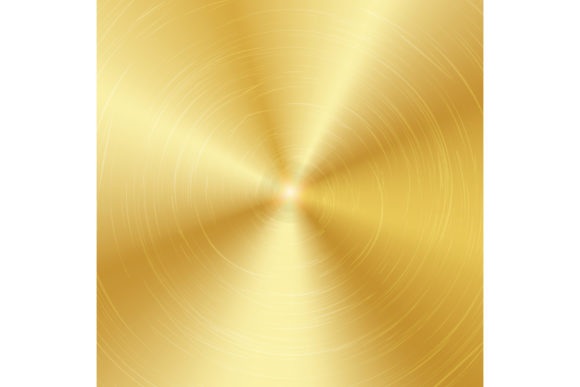
This aesthetic moves beyond simple color palettes. It encompasses specific textures—polished, brushed, and chrome-like surfaces—that simulate the tactile quality of silver steel and aluminum within a vector or raster environment. Whether delivered as high-resolution JPGs for web deployment or scalable EPS files for print and large-format applications, these assets serve as the backbone for brands seeking to project sophistication and durability.
Defining the Aesthetic: Where Craft Meets Circuitry
To understand the impact of Gold or Bronze Metal Abstract Technology, one must first define its components. At its core, this style utilizes the visual properties of metallic elements to create abstract representations of complex systems. Unlike the cold, sterile look of early tech designs which favored matte greys and blues, this approach introduces warmth through gold and bronze tones while retaining the structural integrity associated with industrial engineering.
The "abstract technology" component refers to the underlying geometry. These are not literal depictions of circuit boards or microchips. Instead, they are stylized interpretations of data flow, connectivity, and processing power. When rendered with a polished texture, the result is a surface that reflects light dynamically, suggesting speed and fluidity. Conversely, a brushed texture implies friction, resistance, and the rugged reliability of heavy machinery. Together, these elements create a visual narrative that speaks to both luxury and utility.
For designers working with Chrome, Silver Steel Aluminum Vector formats, the challenge lies in balancing these opposing forces. The goal is to make the metal feel tangible without losing the ethereal quality of digital abstraction. This balance is achieved through careful manipulation of gradients, specular highlights, and noise patterns that mimic the microscopic imperfections found in real-world metallurgy.
Market Trends and the Psychology of Metallic Luxury
Why are marketers and brand strategists increasingly turning to these metallic aesthetics? The answer lies in the evolving psychology of the consumer. In a saturated digital marketplace, brands are struggling to differentiate themselves. Standard flat design has become ubiquitous, leading to a phenomenon known as "visual fatigue." Audiences are craving depth, richness, and a sense of premium quality that can only be conveyed through sophisticated material simulation.
Gold or Bronze Metal Abstract Technology taps into deep-seated associations with wealth, stability, and heritage. Gold has historically represented value and permanence, while bronze suggests endurance and strength. By applying these materials to the context of modern technology, brands signal that their innovations are not fleeting trends but enduring investments. This is particularly relevant in sectors such as fintech, cybersecurity, and high-end automotive, where trust is the primary currency.
Furthermore, the rise of the "phygital" economy—where physical and digital experiences merge—has heightened the demand for visuals that bridge this gap. Consumers expect digital interfaces to feel as substantial as physical objects. A website background featuring a brushed aluminum texture or a marketing campaign utilizing bronze vector art creates a subconscious expectation of quality. It tells the user, "This platform is built to last."
The Shift from Minimalism to Maximalist Detail
We are witnessing a subtle but significant departure from the strictures of Swiss-style minimalism. While clean lines remain important, there is a growing appetite for complexity and texture. This does not mean clutter; rather, it means adding layers of visual interest that reward closer inspection. The interplay of light on a polished gold surface or the grain of a brushed bronze panel provides a level of engagement that flat colors cannot match.
This trend aligns with broader developments in augmented reality (AR) and virtual reality (VR), where lighting physics play a crucial role in immersion. As users spend more time in simulated environments, their expectations for realistic material rendering increase. Designers who master the creation of Metal Abstract Technology Background assets are better positioned to create content that translates seamlessly across 2D screens and 3D spatial computing devices.
Workflow Implications for Creators and Freelancers
For freelancers and creative agencies, integrating these styles requires a shift in workflow and technical capability. The demand for high-quality assets is driving a need for versatility in file formats. While JPG remains the standard for web and social media due to its compression efficiency, the requirement for EPS files underscores the importance of scalability. An EPS file ensures that a vector-based bronze texture can be resized from a business card to a billboard without any loss of fidelity.
Professionals must now possess a deeper understanding of light and shadow. Creating a convincing Silver Steel Aluminum Vector illustration is not just about drawing shapes; it is about simulating how light interacts with different finishes. A polished chrome surface will have sharp, high-contrast reflections, whereas a brushed finish will diffuse light, creating softer gradients. Mastering these nuances allows creators to produce work that feels authentic and premium.
Moreover, the integration of these assets into broader branding strategies requires strategic thinking. A Gold or Bronze Metal Abstract Technology background should not simply be decorative; it must reinforce the brand's message. For a startup focusing on rapid growth, a dynamic, flowing chrome pattern might be appropriate. For an established consultancy, a structured, geometric bronze lattice could convey stability and order.
Practical Applications Across Industries
The versatility of this aesthetic makes it applicable across a wide range of industries. In the corporate sector, annual reports and investor presentations are increasingly utilizing metallic abstract backgrounds to project financial strength and technological prowess. The use of gold accents in data visualization can highlight key metrics, drawing the eye to areas of growth and success.
In the lifestyle and consumer goods market, packaging design is another major beneficiary. Products ranging from premium electronics to artisanal beverages are adopting metallic abstract motifs to elevate their perceived value. A sleek, brushed aluminum texture on a product box immediately signals high quality before the item is even opened. Similarly, in the automotive industry, brochures and digital configurators use these textures to showcase the interior finishes of luxury vehicles, connecting the digital experience with the tactile reality of the car.
Even in the realm of entertainment and gaming, these aesthetics are finding a home. Sci-fi franchises and cyberpunk narratives often rely on a blend of high-tech functionality and retro-futuristic decay. The use of weathered bronze and tarnished gold helps establish a world that feels lived-in and complex, moving away from the sterile perfection of traditional sci-fi tropes.
Adapting to Changing Consumer Expectations
As consumers become more visually literate, their tolerance for generic stock imagery diminishes. They can instantly recognize a low-effort clip art from a custom-crafted asset. The preference for Metal Abstract Technology Background designs reflects a desire for originality and craftsmanship. Brands that invest in bespoke, high-quality metallic visuals demonstrate a commitment to excellence that resonates with modern audiences.
This shift also impacts how content is consumed on mobile devices. With the prevalence of high-definition OLED screens, the ability to render rich gradients and reflective surfaces is more critical than ever. A design that looks flat on a standard monitor may come alive on a smartphone screen, offering a vibrant, immersive experience that captures attention in a crowded feed.
Looking Forward: The Future of Material-Based Design
The trajectory of Gold or Bronze Metal Abstract Technology suggests that this is not a passing fad but a maturation of digital design. As rendering engines become more powerful and accessible, the line between physical and digital materials will continue to blur. We can expect to see even more sophisticated simulations of metal, incorporating environmental reflections and dynamic lighting that respond to user interaction.
For entrepreneurs and marketers, staying ahead of this curve means embracing these textures as a core component of their visual identity. It is about understanding that in a digital-first world, the illusion of physical substance is a powerful tool for building connection and trust. By leveraging the timeless appeal of gold and bronze alongside the forward momentum of technology, brands can create a visual language that is both rooted in history and poised for the future.
Ultimately, the adoption of these styles represents a return to the fundamentals of good design: clarity, impact, and emotional resonance. Whether through a single Chrome, Silver Steel Aluminum Vector icon or a full-page polished background, the message remains the same. In a world of infinite information, quality matters. And nothing communicates quality quite like the gleam of refined metal.