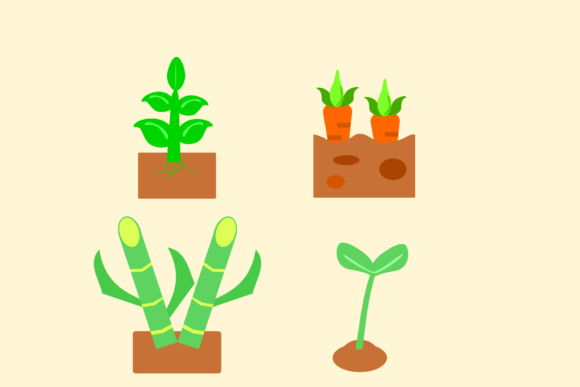
Farm Plant Illustration: Vector Art for Design
In the world of visual communication, the ability to capture the essence of nature without the constraints of a photograph is invaluable. A Farm Plant Illustration offers exactly that—a stylized, scalable, and versatile representation of flora ranging from simple grass blades to complex botanical ecosystems. Whether you are designing a package for organic herbs or creating an educational poster about spring ecology, these digital assets provide the perfect balance between realism and artistic interpretation. Unlike standard stock photos, which can be rigid in their lighting and composition, vector-based illustrations allow for infinite customization, making them a cornerstone for modern design projects.
The Versatility of Scalable Nature Art
At its core, a farm plant illustration is a digital graphic created using mathematical paths rather than pixels. This distinction is crucial for anyone working in professional design. When you download these assets in EPS file format, you gain access to a vector background that remains crisp at any size. You can shrink a detailed meadow scene to fit on a business card or expand a single sprout to cover a billboard without losing quality. This scalability transforms how creators approach landscape design, ensuring that every blade of grass, every tuft of lawn, and every leaf of a bush retains its definition.
The aesthetic appeal of these illustrations often leans towards themes of freshness and vitality. Elements like green fields, white borders, and realistic lamina details evoke a sense of life and growth. For designers, this means they can instantly convey messages of sustainability, health, and natural living. The inclusion of specific botanical terms like "plantain," "grama," and "weed" allows for precise storytelling. Instead of a generic green blob, a designer can select a specific bunch of herbs or a closeup of a flower to match the exact narrative of their project.
Why Different Audiences Value These Assets
The utility of farm plant illustrations extends far beyond a single profession. Each audience interacts with these designs based on their unique goals, skill levels, and project requirements.
- Beginners and Hobbyists: For those just starting in graphic design, these illustrations offer a low-barrier entry point. Instead of spending hours learning complex 3D modeling or drawing techniques from scratch, beginners can use pre-made sets to create beautiful posters or garden plans. The focus here is on ease of use and learning value. By manipulating existing vectors, hobbyists can understand how layers work and how color palettes influence mood.
- Marketing Professionals and Entrepreneurs: For small business owners selling organic products, the commercial value is immediate. A high-quality illustration of fresh vegetables or a summer field can serve as the centerpiece of an advertisement. These professionals prioritize presentation and speed. They need assets that look premium but can be integrated quickly into brochures, websites, or social media campaigns to highlight freshness and trust.
- Educators and Publishers: In the realm of botany and ecology education, accuracy meets accessibility. Teachers need clear, isolated images to explain plant structures like roots, stems, and leaves. An EPS file allows them to separate parts of a plant for diagrams without blurring the lines. The focus here is on reliability and clarity, ensuring that students can distinguish between different species or understand the lifecycle of a sprout.
- Freelance Creators and Designers: Experienced users often seek flexibility and creativity. They might take a base illustration of a meadow and modify it to include custom borders, change the season from spring to autumn, or add reflection effects to simulate water. For them, the long-term usefulness of the asset lies in its adaptability. A single purchase can evolve into dozens of unique designs across various client projects.
Evaluating Quality and Suitability for Your Project
When selecting a farm plant illustration, the decision process varies significantly depending on your end goal. It is not merely about finding something that looks "nice"; it is about finding an asset that functions correctly within your workflow.
For a brand identity project, the priority is consistency. A logo featuring a stylized sprout needs to be clean and recognizable at small sizes. Here, the simplicity of the line work and the isolation of the object against a white background become critical. Complex textures or heavy shading might get lost when scaled down. Conversely, for a large-format print like a wall mural or a trade show banner, the detail level becomes paramount. A realistic closeup of grass blades or a textured bunch of bushes will add depth and immersion that flat graphics cannot achieve.
Cost is another factor, though it should be weighed against the time saved. While hiring a illustrator to draw a custom set of flora from scratch can be expensive and time-consuming, purchasing a high-quality vector set is often a fraction of the cost. However, the cheapest option may lack the necessary editing capabilities. A good asset should come with editable layers, allowing you to adjust colors to match your brand guidelines or remove elements that don't fit your layout. If an image is flattened or rasterized, its long-term usefulness drops significantly, limiting your ability to adapt it for future campaigns.
Practical Applications Across Industries
Consider a local farmer's market organizing a seasonal event. They need signage that feels welcoming and authentic. Using a collection of farm plant illustrations, they can create a cohesive visual theme featuring corn, wheat, and wildflowers. The illustrations can be printed on banners, used on flyers, and even applied to tote bags. The "summer" and "spring" themes inherent in many of these designs help communicate the seasonality of the produce.
Imagine an app developer building a gardening application. They need icons and interface elements that guide the user through planting and maintenance. Isolated vector objects of a "tufted" grass patch or a "bunch" of herbs can serve as intuitive icons. Because these are digital vectors, they load quickly and display sharply on high-resolution mobile screens. The ability to tweak the "green" tones ensures the app maintains a consistent aesthetic across different devices.
For an architect or landscape designer, these illustrations serve as conceptual tools. Before breaking ground, they can present clients with a rendered view of a proposed garden. By layering different plant types—shrubs, lawns, and border plants—they can visualize the final outcome. The "design element" aspect of these files allows for easy manipulation of scale and placement, helping stakeholders make informed decisions about space and aesthetics.
Making the Right Choice for Your Needs
Determining whether a specific farm plant illustration fits your project requires a honest assessment of your current resources and future needs. Ask yourself: Do I need a one-time image, or will I need to reuse and modify this asset repeatedly? If the answer is the latter, investing in a robust EPS file with organized layers is essential. If you only need a quick visual for a blog post, a simpler version might suffice.
Also consider the emotional tone you wish to convey. Are you aiming for the rugged realism of a weed-filled field, or the manicured perfection of a suburban lawn? The variety available in these illustration sets—from "different" styles to "realistic" renderings—means there is likely a perfect match for your vision. Whether you are highlighting the beauty of nature, the science of botany, or the joy of outdoor life, the right illustration acts as a powerful bridge between your message and your audience.
Ultimately, the value of these digital assets lies in their ability to bring life to static pages and screens. They transform abstract concepts of growth and ecology into tangible, engaging visuals. By understanding how to leverage these tools, from the novice blogger to the seasoned marketing director, you can elevate your creative output and connect more deeply with the natural world your audience cares about.